Hookoralabs
Why Choosing the Right Fume Extractor for Your Laser Shop Changes Everything: A Comparative Insight
Introduction
I was sanding down a small acrylic sign last month and felt that familiar sting in my throat—totally avoidable. In many shops, a poor exhaust setup is the silent problem; experts estimate that improper ventilation increases particulate exposure by up to 40% in small workspaces. So, what actually fixes that—better fans, smarter filters, or a whole rethink of workflow? (Spoiler: it’s rarely just one thing.) Let me walk you through a clear, practical path so you can make a choice that actually works for your team and your budget. Next up: why the usual fixes often miss the point.
Peeling Back the Curtain: Where Traditional Solutions Fall Short
Why do common systems keep failing?
fume extractor laser engraver setups often get sold as one-size-fits-all fixes, but they’re not. I see shops buy a basic fan and call it a day. That fan may move air, yes—but it doesn’t capture ultrafine particulates or VOCs reliably. In my experience, the big gaps are in capture efficiency and filter choice. Manufacturers tout airflow numbers, but airflow velocity at the source matters more than peak CFM alone. Add complexity: materials like acrylic, MDF, and coated metals release different VOC blends and particle sizes. HEPA filters and activated carbon capture different threats; you need both sometimes. Look, it’s simpler than you think: a machine that moves air without targeted capture is just a blower—you deserve more.
Another common flaw is duct routing and placement. I’ve seen inline fans sucking from the wrong side of a table. That creates turbulent flow and lets aerosols escape. Control strategies—like local capture hoods and consistent face velocity—are where you actually reduce exposure. Then there’s maintenance; filters clogged with resin and dust reduce performance fast. If you aren’t tracking differential pressure, you’re flying blind. From a power side, systems with unreliable power converters lead to inconsistent fan speed. In short: the “works fine” unit today often underperforms in real use. — funny how that works, right?
Looking Forward: New Principles and Practical Checks
What’s Next — smarter capture or smarter choices?
fume extractor laser engraver technology is shifting from brute force to targeted capture. I’m talking about designing extraction around the process: source capture, staged filtration (pre-filter → HEPA → activated carbon), and measurable metrics like capture efficiency and airflow velocity at the nozzle. Newer units also add simple sensors—pressure drop readouts and filter-change alerts—so you stop guessing and start acting. In shops I advise, adding a small local hood cut exposures by noticeable margins. We paired that with routine checks and, honestly, the improvement felt immediate.
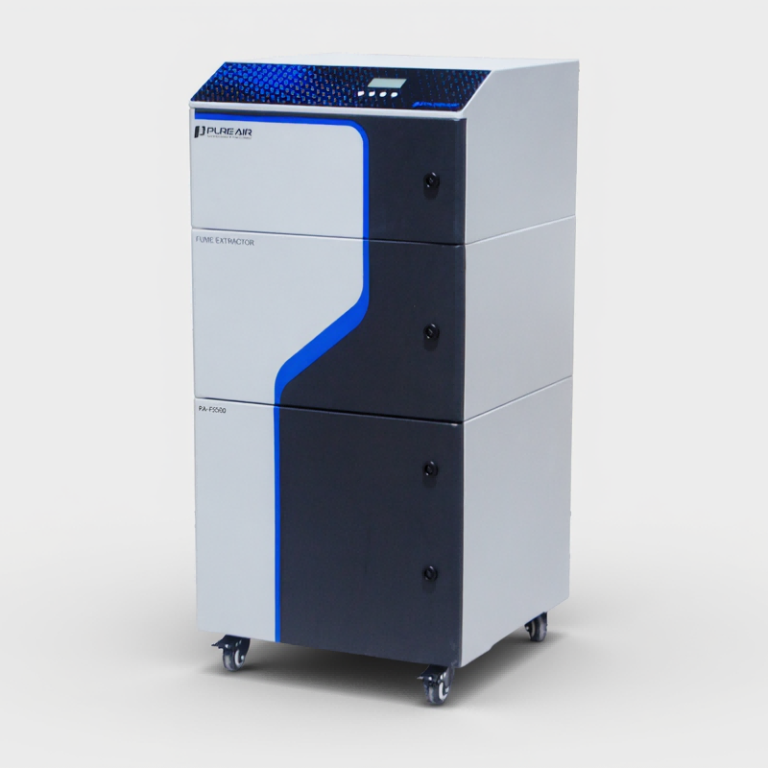 From a comparative outlook, the best systems balance a few things: capture design, filter media quality, and ease of service. Case examples matter: one maker I worked with swapped to a dual-stage filter and redesigned ducting. Emissions dropped; employee complaints stopped. That’s measurable. For small shops, prioritize targeted capture over huge fans. For larger makers, think modular filtration so you can scale. And yes—budget matters. You can still make big gains with smarter layout and modest upgrades. — I truly believe that small changes produce big health wins.
Practical Takeaways and How to Choose
Before you buy, I recommend these three metrics to evaluate any solution. First: capture efficiency at the source. Test or ask for numbers that show how much the unit removes right where the plume forms. Second: serviceability—filter life, pressure gauges, and replacement ease. If you dread changing filters, you’ll delay maintenance, and performance drops. Third: matched filtration. Make sure the system pairs a particulate medium (like HEPA) with an adsorbent stage (activated carbon) when you cut plastics or coated materials. These three measures separate marketing claims from real performance.
I’ve seen teams get better air quality with changes that cost a fraction of a new machine—reposition the exhaust hood, add a pre-filter, schedule regular checks. If you want numbers, track differential pressure and employee symptom reports for 30 days after a change. You’ll see real results, or you’ll know the next step. For those who want a tested option, I often point colleagues to companies that offer modular, measurable systems you can service without a specialist. In my work, that practical, human-first approach wins every time.
Curious to explore options that balance capture, filtration, and upkeep? Check brands and spec sheets carefully—and when you’re ready, consider reaching out to PURE-AIR for info on modular extractor systems and real-world performance data.