Hookoralabs
Rain Fly Coverage: Choosing Shelter That Actually Works
Quick comparison to start
Choosing a rain fly is mostly about three trade-offs: how much gear or body it shelters, how simple it is to set up, and how it behaves in wind. A simple tarp gives flexibility but little sealed protection; a full-wrap fly blocks wind and keeps floors dry; and vehicle-attached options—like a car extended tent—turn your rig into a weatherproof base. I’ll run side-by-side comparisons so you can pick the sweet spot for your trips, not the fanciest spec sheet.
Coverage types: what each actually protects
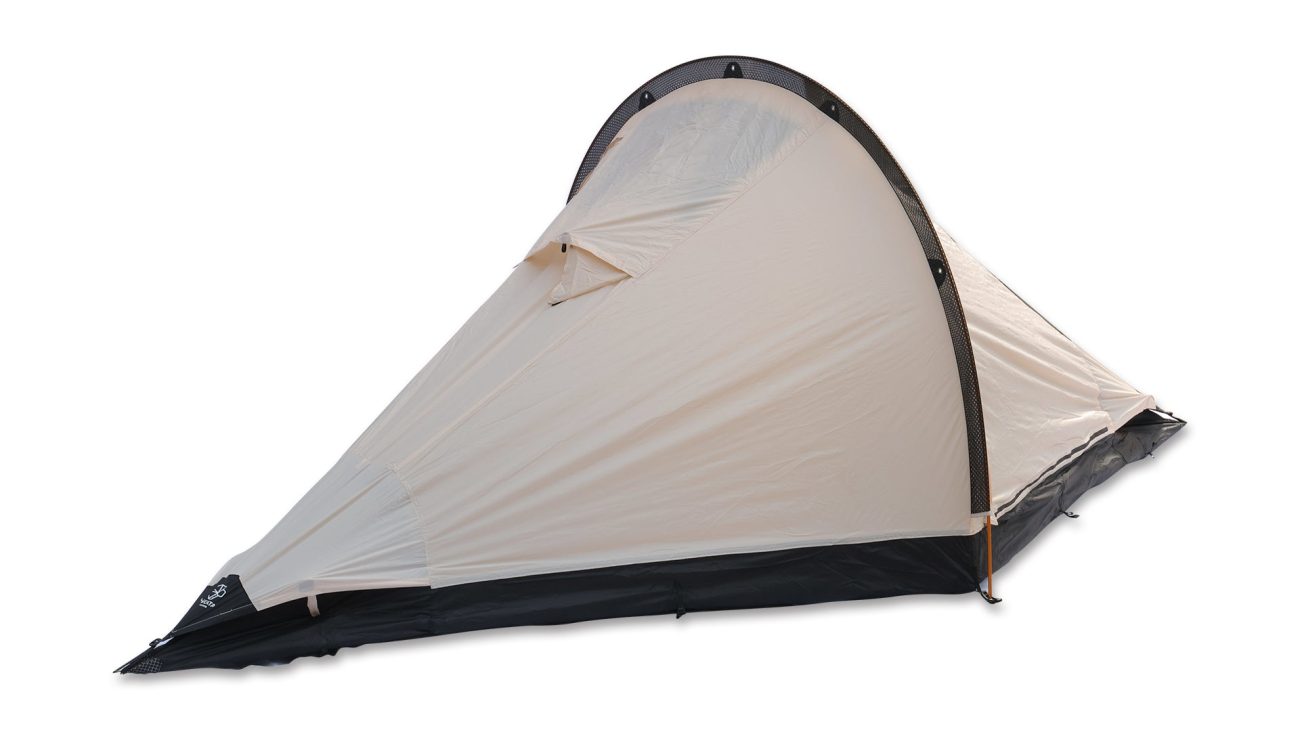
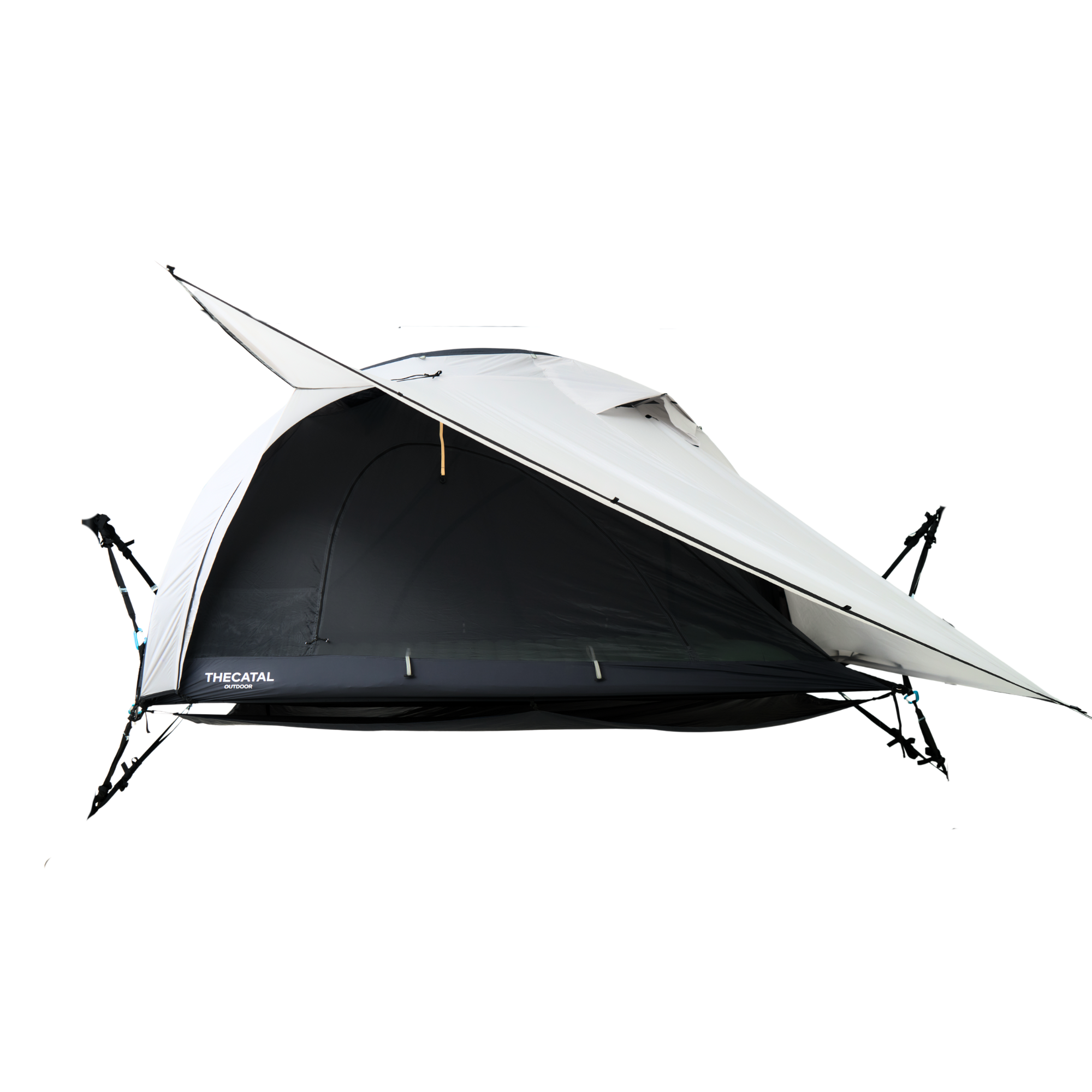
Full-wrap rain fly: covers the tent body and vestibules. Best for heavy, driven rain and gusty nights. Vestibule-only fly: protects entry and gear but leaves mesh panels exposed—good when ventilation matters. Tarp setups: minimal, dry footprint for ultralight trips; they won’t stop wind-driven spray. Vehicle attachments: tie into your vehicle for sleeping or storage space that stays dry without a full tent. Each option trades off weight, bulk, and packability against protection; match the trade-off to expected conditions.
How conditions change the choice
Wind strength and direction matter more than simple rainfall numbers. Light, steady rain? A vestibule or tarp with proper pitch works. Persistent, horizontal rain or sleet? A full-wrap fly or vehicle shelter keeps you dry and reduces heat loss. Snow needs structural strength—choose a fly with strong tie-outs and room to clear accumulations. Don’t pick by the weather app alone; pick by the worst reasonable condition you can tolerate while still being comfortable.
Fit and setup: the practical differences
Measure the tent body and account for guy lines and stakes. A too-short fly leaves seams exposed; too-large creates flapping and strain points. Look for adjustable hems and multiple tie points so you can tension against wind. Setup time varies: tarps are quick if you know knots; full flies demand correct pole alignment. Vehicle attachments change the geometry—they reduce exposure but need a compatible roofline or hitch, so check fit before committing.
Field-tested anchor
I've guided multi-day trips and once tested an suv rear tent in Moab during spring storms; the attached shelter kept gear dry while a freestanding fly nearby required constant re-tensioning. That kind of on-the-ground experience shows where vehicle-integrated coverage shines: rapid deployment and consistent protection when wind shifts.
Common mistakes to avoid
Buying a fly that matches only ideal conditions, underestimating seam sealing needs, and ignoring ventilation are the three frequent errors. Don’t assume waterproof specs tell the whole story—construction, stitching, and how the fly interfaces with your tent matter more than a single hydrostatic number. Also, test-pitch at home so you know the setup sequence before rain starts.
 Alternatives and quick evaluations
If you want ultralight moves, a high-pitch tarp with pole clips works well but needs skill. Vestibule-only systems improve pack access for fair-weather trips. Vehicle tents or awnings add weight and require a compatible vehicle but drastically reduce campsite setup stress and expand usable dry space—ideal for families or gear-heavy outings.
Decision checklist
Pick a fly by answering: how rough can the weather get, how much wet gear do you need sheltered, how fast do you need to deploy, and what’s your vehicle situation? If you expect variable storms and want less setup hassle, lean toward larger coverage or a vehicle-linked shelter. If you prioritize weight and ventilation, choose a ventilated fly or tarp and accept tighter tolerances during bad weather.
Wrap-up
The right rain fly is the one that fits real use, not specs alone. Match coverage to expected conditions, prioritize adjustable fit and solid attachment points, and test before you leave. For people who value quick, reliable shelter with room for gear and shelter from shifting storms, THECATAL reflects those practical trade-offs in designs that try to keep your campsite working, not just looking good on paper.