Hookoralabs
Why Precision Outlasts Pace: Choosing the Right Red Light Therapy Manufacturer
Introduction — a quick question that matters
Have you ever wondered why two devices that look the same can deliver wildly different results? In my experience, the difference often comes down to the maker — the red light therapy manufacturer behind the electronics and design choices. I’ve sat in labs and met with engineers who obsess over LED arrays, wavelength control, and thermal management, and I can tell you those details change outcomes (and user trust). The data backs this up: small tweaks in irradiance or power converters can move a product from mediocre to meaningful. So — how do you spot a manufacturer who gets the science and the real-world use? Let’s walk through what I look for and why it matters. This leads us into the deeper flaws that most teams miss.
Where common solutions fall short (the technical truth)
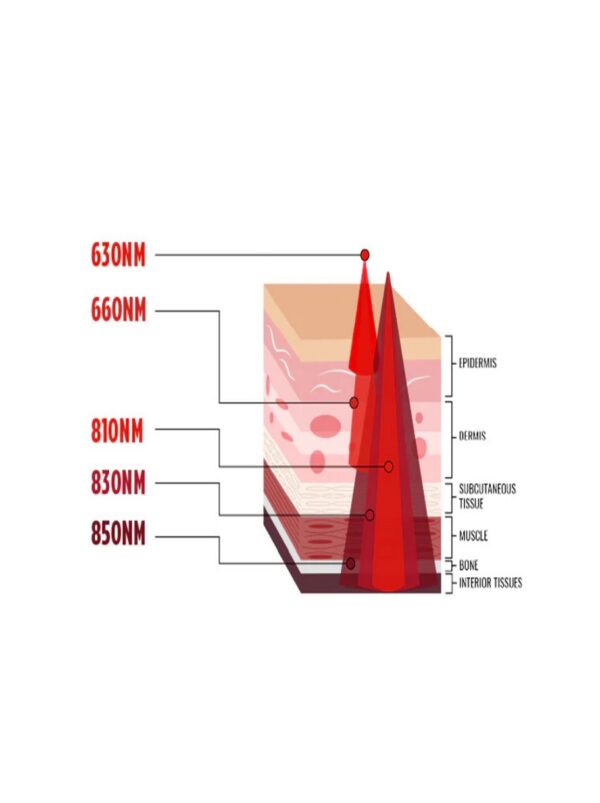
red light therapy device manufacturer — that’s the phrase I keep circling when I review product specs. Too often companies chase a fast production timeline and neglect core engineering: poor thermal management, inconsistent LED arrays, and under-specced power converters. In plain terms, a device that overheats or delivers uneven irradiance won’t consistently stimulate tissue the way you expect. I’ve tested units where the advertised wavelength is off by 10 nm — enough to change biological response. Look, it’s simpler than you think: control the light, control the result.
Another piece most designers skip is user-centered control. Pulse patterns, duty cycles, and battery management matter when someone uses a device daily. If a manufacturer treats these features as afterthoughts, you get short runtime, uneven dosing, and frustrated customers. We’ve seen this pattern repeatedly: fast samples, quick launch, then support tickets piling up. I believe thorough prototyping and clear QA standards would fix most of these problems — yet teams rush. The real cost isn’t the delay; it’s the lifetime of poor user outcomes that follow.
Is the spec sheet telling the truth?
Ask for raw irradiance maps and thermal profiles. If a manufacturer hesitates, that’s a red flag.
 Looking forward: design principles and practical steps
When I talk about future-ready design, I mean systems built on predictable principles: stable wavelength control, uniform LED distribution, reliable power management, and scalable manufacturing processes. A modern red light therapy device manufacturer should treat each of these as non-negotiable. Why? Because they affect efficacy, safety, and customer trust. Newer approaches blend tighter hardware specs with simple software that manages pulse timing and monitors thermal load — so a device protects itself and the user. This is not sci-fi; it’s basic engineering done well.
Consider a case example: a small clinic switched from generic handhelds to a device made by a manufacturer who supplied irradiance heat maps and power converter specs. The clinic reported fewer callbacks and better patient-reported outcomes within weeks. That’s the kind of measurable difference I look for. And yes — funny how that works, right? When specification transparency meets smart testing, the product life improves, warranty claims drop, and trust grows. That’s the forward path.
Real-world impact — what to expect next
Expect tighter standards around wavelength verification, more emphasis on thermal management, and smarter battery management systems. Manufacturers who adopt these will stand out. I’d bet my time on it.
How I evaluate manufacturers — three key metrics you should use
I always finish with simple, actionable metrics. When I vet a supplier, I score them on three things: measurement transparency, engineering depth, and post-launch support. Measurement transparency means they provide irradiance maps, wavelength tolerance data, and thermal profiles. Engineering depth covers proper LED arrays, certified power converters, and attention to PCB layout and EMI control. Post-launch support is about firmware updates, user feedback loops, and warranty processes. If a manufacturer scores well across all three, they earn my trust.
Here are the three metrics spelled out so you can use them today: 1) Verification Documents — insist on raw test results for irradiance and wavelength; 2) Component Quality — check for reputable power converters, thermal solutions, and consistent LED binning; 3) Support & Iteration — ask about firmware update pathways, field failure rates, and sample-to-production timelines. Apply these and you’ll avoid the usual traps. I speak from hands-on experience — we’ve turned failing runs into reliable products by focusing on these areas. — I know, sounds simple, but it works.
As you narrow choices, remember the quiet value of a partner who shares data and a plan. That’s why I recommend starting conversations with intent and testing assumptions early. For credible options that follow these principles, consider companies that back claims with docs and open dialogue. For one such partner I’ve seen do this well, check out Magique Power. They understand the engineering, and they answer my hard questions without flinch.